
Croatia and Slovenia share a border, a history and, for travellers, one perfect trip. Slovenia is alpine lakes, emerald rivers and a capital you can walk across in ten minutes. Croatia, meanwhile, is 1,800 kilometres of Adriatic coast, 1,200 islands and walled cities that have barely changed since the Venetians left. Together, the best places to visit in Croatia and Slovenia make the finest two-country road trip in Europe.
This guide ranks the 20 best places to visit in Croatia and Slovenia, running north to south so you can drive it in order. For each one you will find why it earns its place, the one thing not to miss, where to stay and how to get there. In short, it is the itinerary we would hand a friend.
If you are only doing one country, our complete guide to Slovenia and 10 best places to visit in Croatia go deeper on each. Then, come back here to join them up.
Quick picks: the best places to visit in Croatia and Slovenia for your kind of trip
Short on time? Then choose by what you want from the trip. Each pick links down to its full entry.
| Best for | Place | Country |
|---|---|---|
| The classic postcard | Lake Bled | Slovenia |
| A honeymoon | Hvar | Croatia |
| Waterfalls | Plitvice Lakes | Croatia |
| Mountains and adventure | The Soča Valley | Slovenia |
| History and city walls | Dubrovnik | Croatia |
| Food and wine | Motovun and inland Istria | Croatia |
| Beaches | Vis | Croatia |
| A capital to slow down in | Ljubljana | Slovenia |
| Fewest tourists | The Logar Valley | Slovenia |
| Something different | Postojna Cave and Predjama Castle | Slovenia |
How the route fits together. Slovenia (places 1 to 8) is small enough to see in a week from Ljubljana, with the Alps in the north-west and the coast in the south-west. Croatia (9 to 20) is long and thin, so the road trip runs from Zagreb and Istria in the north down the Dalmatian coast to Dubrovnik. Finally, the islands are a ferry ride from Split, and they are where the trip should end.
The best places to visit in Croatia and Slovenia: Slovenia
Slovenia is the size of Wales, and half of it is forest. It has the Alps, the Adriatic, Europe’s best-kept caves and a capital that feels like a village. Above all, it is calm, green and ridiculously easy to drive.
1. Ljubljana
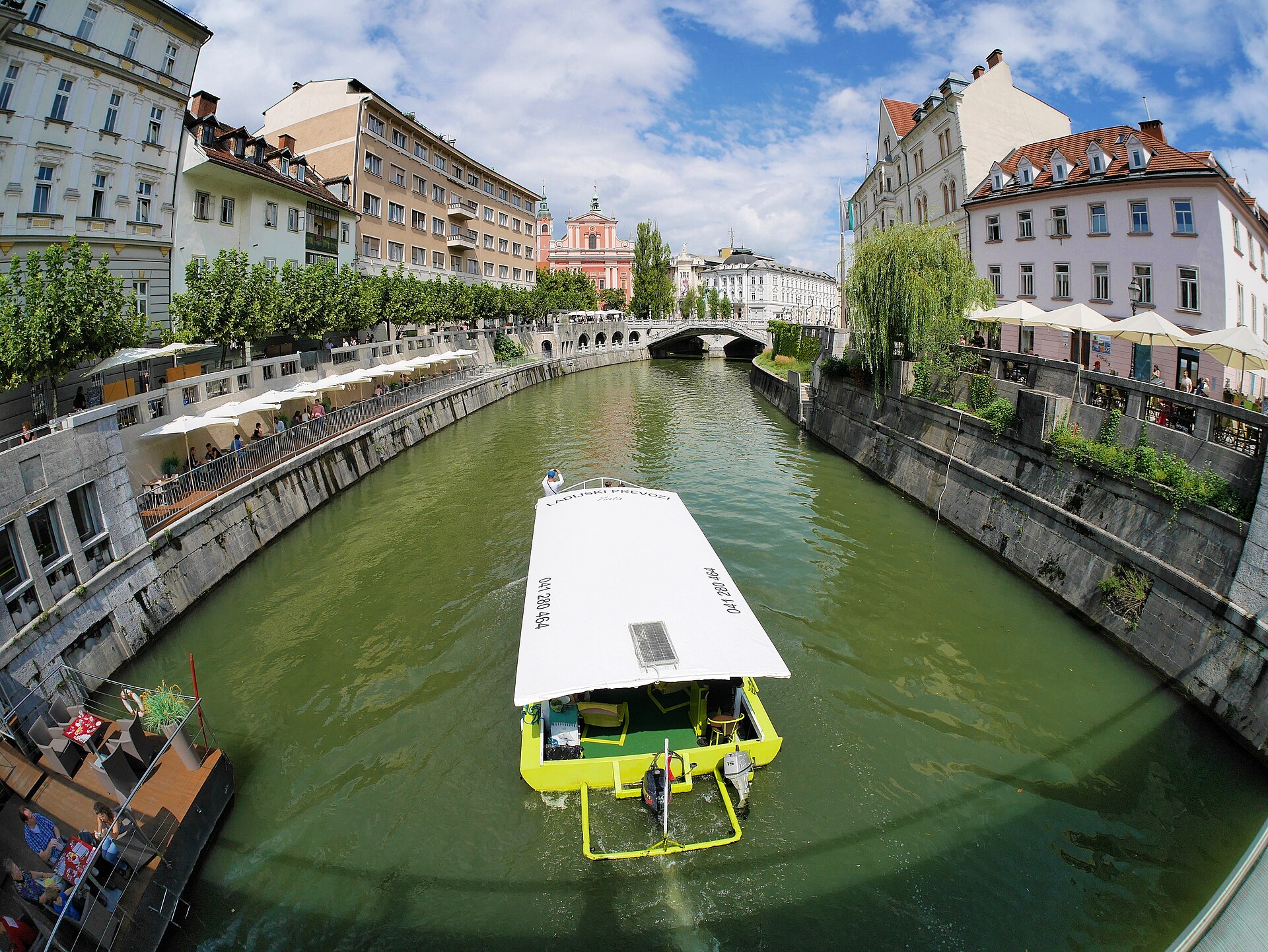
Ljubljana is a capital the size of a small town, with a castle on a hill, a river lined with café terraces and a car-free centre designed by one architect, Jože Plečnik, who treated the whole city as a single work of art. It is pretty, slow and, surprisingly, very good for food. In fact, two days is plenty, and that is a compliment.
Do not miss: the Triple Bridge and the riverside market, the funicular up to the castle, the Metelkova art quarter and Plečnik’s house. Our guide to Ljubljana and best coffee shops have the rest.
Stay: Vander Urbani Resort, in four townhouses on the river with a rooftop pool, is the one to book. Alternatively, Hotel Cubo, by the Congress Square, is the design choice.
Getting there: Ljubljana airport is 25 minutes from the centre. By car, meanwhile, Zagreb is 1 hour 30, Venice 2 hours 30 and Vienna 4 hours.
2. Lake Bled
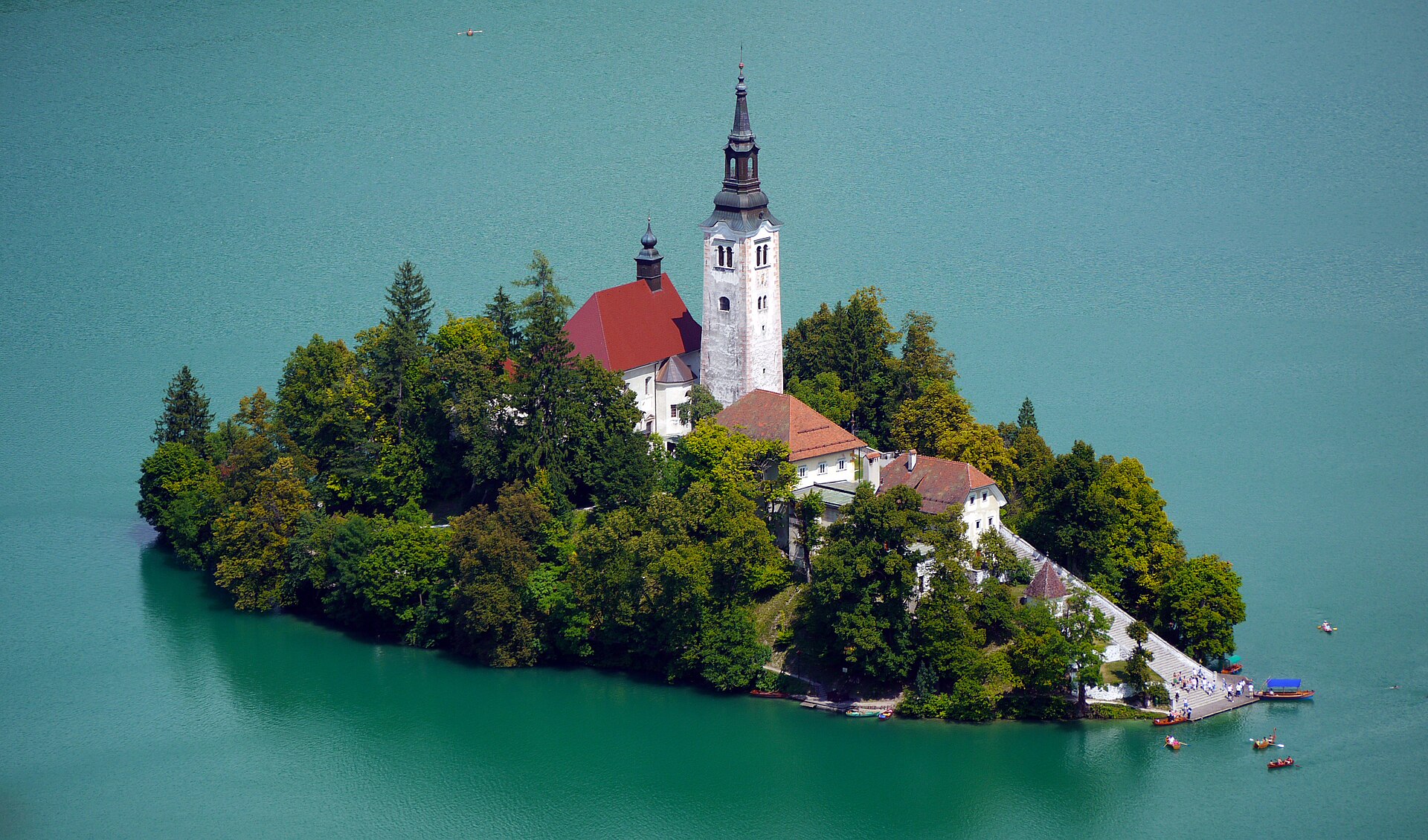
Lake Bled is a glacial lake with an island church in the middle, a castle on a cliff above and the Julian Alps behind, and it is the image that sells Slovenia. Admittedly, it is busy in July and August. Yet in May, June or October, with the trees turning, it is as beautiful as anywhere in Europe.
Do not miss: rowing a pletna boat to the island, the Ojstrica viewpoint at sunrise, a walk around the lake and a slice of Bled cream cake. See our guide to Lake Bled and its best kept secrets.
Stay: Vila Bled, Tito’s former summer residence on the lakeshore, which we reviewed in our Vila Bled review. Alternatively, Grand Hotel Toplice is the classic across the water.
Getting there: 45 minutes by car or bus from Ljubljana. Then, base yourself here for Bohinj and Vintgar.
3. Lake Bohinj
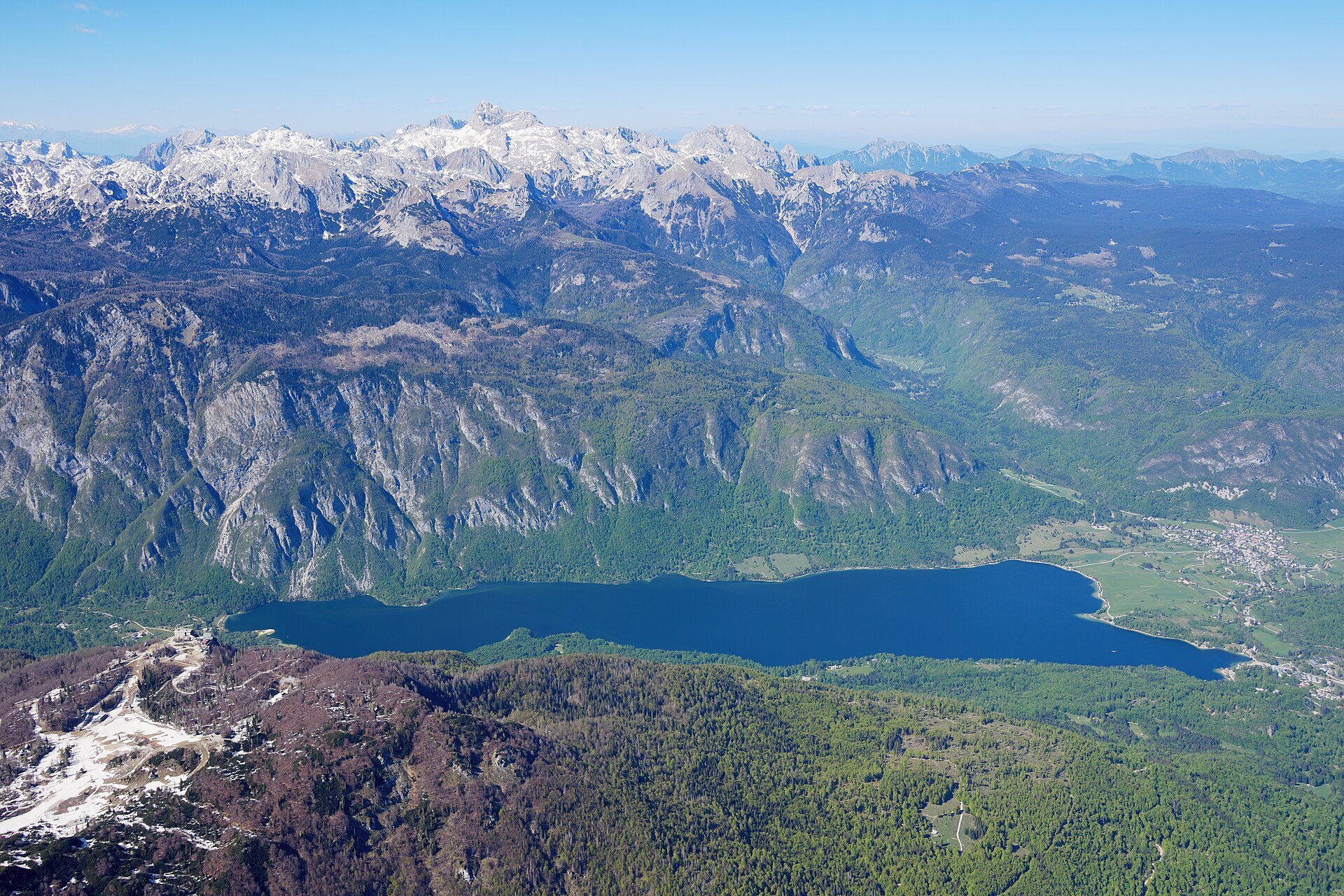
Lake Bohinj is Bled’s wilder, bigger sister, 30 minutes further into the mountains and almost entirely undeveloped. There are no hotels on the shore, no island and no castle; instead, there is a lake ringed by peaks, a stone bridge and a church. It is where Slovenians go when Bled gets busy, and after one swim you will understand why.
Do not miss: the Savica waterfall, the Vogel cable car for the view over the whole lake, a swim from the Ukanc end and the church of St John the Baptist at the bridge.
Stay: Sunrose 7, a boutique hotel in Bohinjska Bistrica, is the stylish choice in the valley. Otherwise, Hotel Bohinj, near the lake, is the comfortable one.
Getting there: 30 minutes by car from Bled, or 1 hour 15 from Ljubljana. In addition, there are buses from Bled in summer.
4. Vintgar Gorge
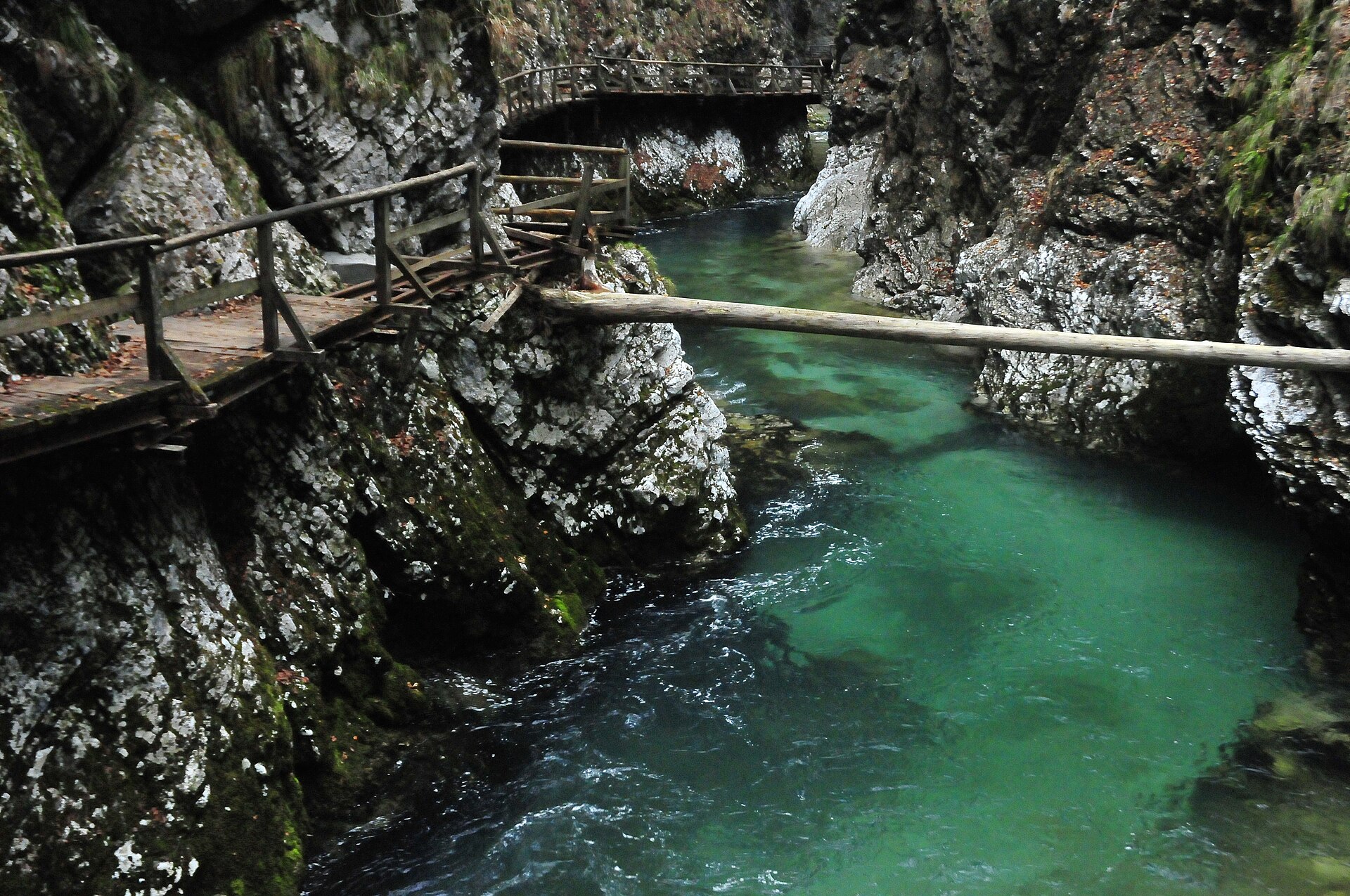
Vintgar Gorge is a 1.6-kilometre wooden walkway bolted to the walls of a canyon above the Radovna river, which runs turquoise and white beneath your feet. It was opened in 1893 and, since then, has barely changed. It is also 10 minutes from Bled, so go first thing, because the path is one-way and busy by 10am.
Do not miss: the walkway itself at opening time, the Šum waterfall at the far end and the loop walk back through the villages. Our guide on how to visit Vintgar Gorge has the ticket details.
Stay: stay in Bled, 10 minutes away. There is nothing at the gorge itself.
Getting there: 10 minutes by car or shuttle bus from Bled. Above all, book a timed ticket online in summer.
5. The Soča Valley
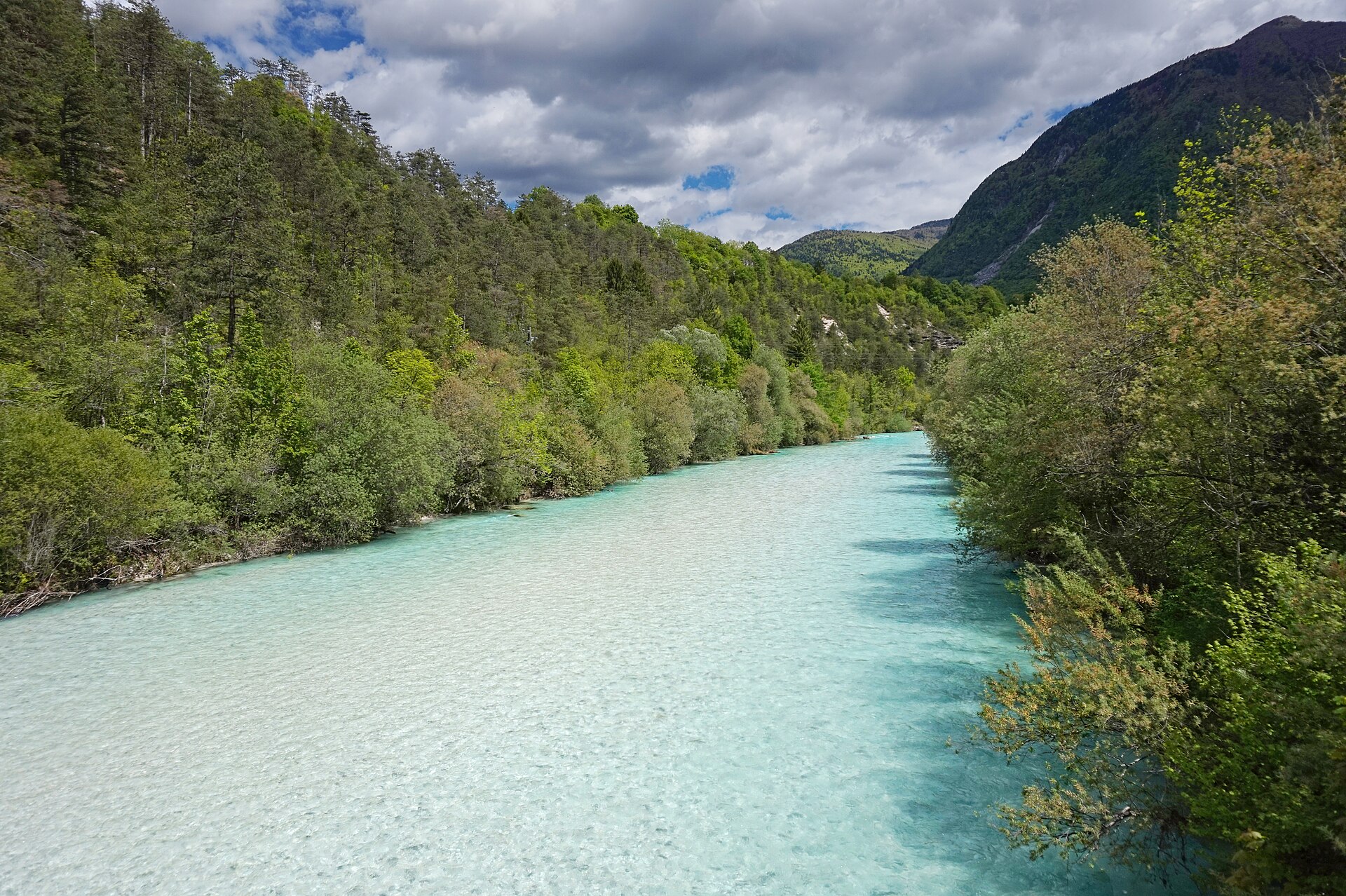
The Soča is the most beautiful river in Europe, an impossible shade of blue-green running through a valley of limestone peaks on the Italian border. The small towns of Bovec and Kobarid are the bases, and in addition the whole valley is one adventure playground: rafting, canyoning, hiking and the most spectacular mountain road in Slovenia over the Vršič Pass.
Do not miss: the drive over the Vršič Pass from Kranjska Gora, the Great Soča Gorge, rafting from Bovec and the Kobarid museum, which tells the story of the First World War front here.
Stay: Nebesa, four chalets on a mountainside above Kobarid, is one of the most romantic places to stay in Slovenia. Otherwise, Dobra Vila Bovec, in a 1930s villa, is the elegant alternative.
Getting there: 1 hour 45 by car from Ljubljana via the Vršič Pass, or 2 hours via Italy in winter when the pass closes.
6. The Logar Valley
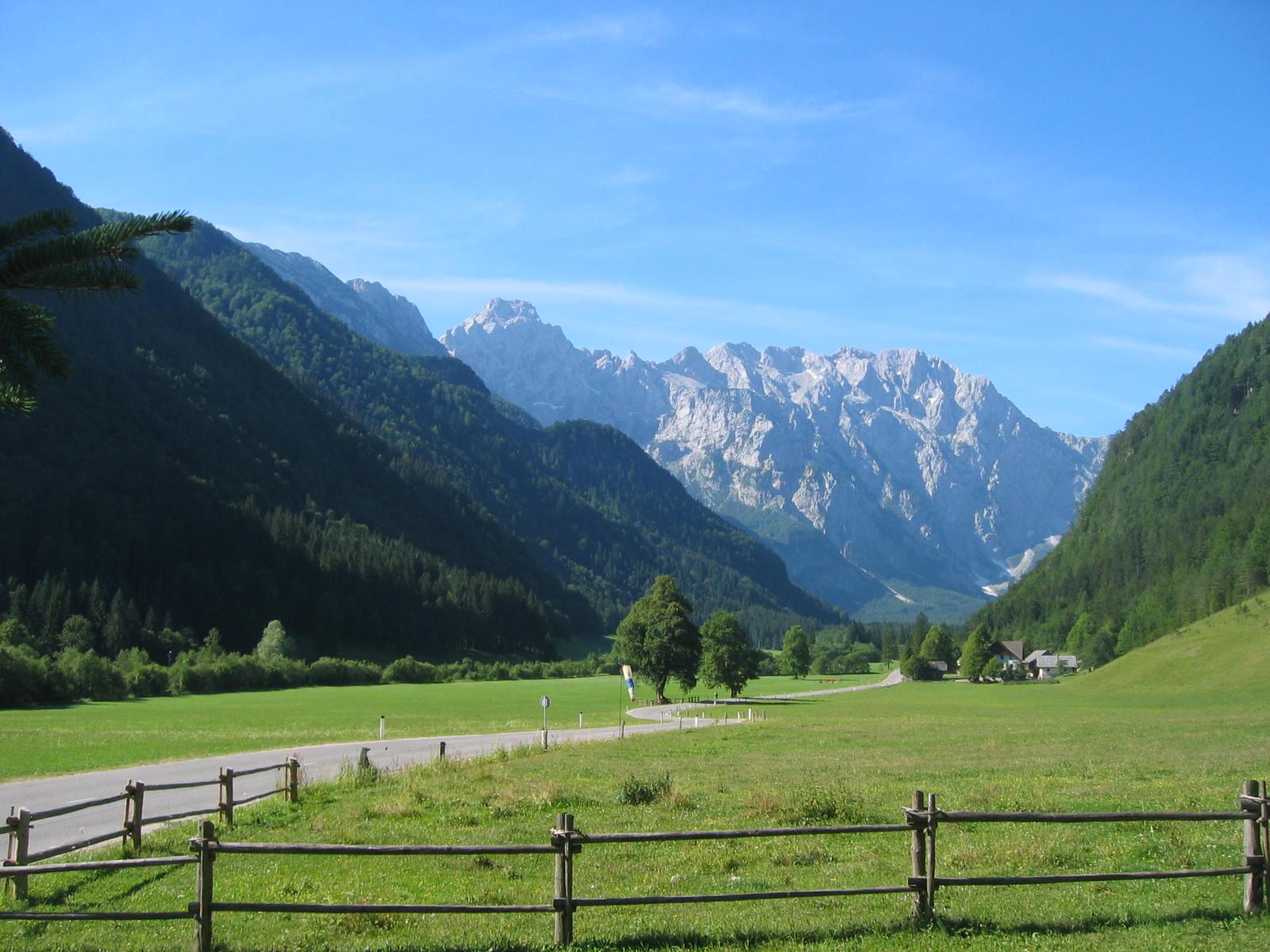
The Logar Valley is a glacial valley in the Kamnik-Savinja Alps, 7 kilometres long, closed by a wall of 2,000-metre peaks and filled with meadows, farms and a single road. It is the most beautiful valley in Slovenia, and yet almost nobody outside the country knows it. Nearby, Jezersko is just as quiet.
Do not miss: the Rinka waterfall at the head of the valley, the Solčava panoramic road along the ridge above, and lunch at one of the tourist farms, which serve their own cheese and sausage.
Stay: Hotel Plesnik, a family-run hotel at the head of the valley, is the only hotel and a good one. Alternatively, the tourist farms along the panoramic road take guests.
Getting there: 1 hour 30 by car from Ljubljana. There is no public transport worth using.
7. Postojna Cave and Predjama Castle
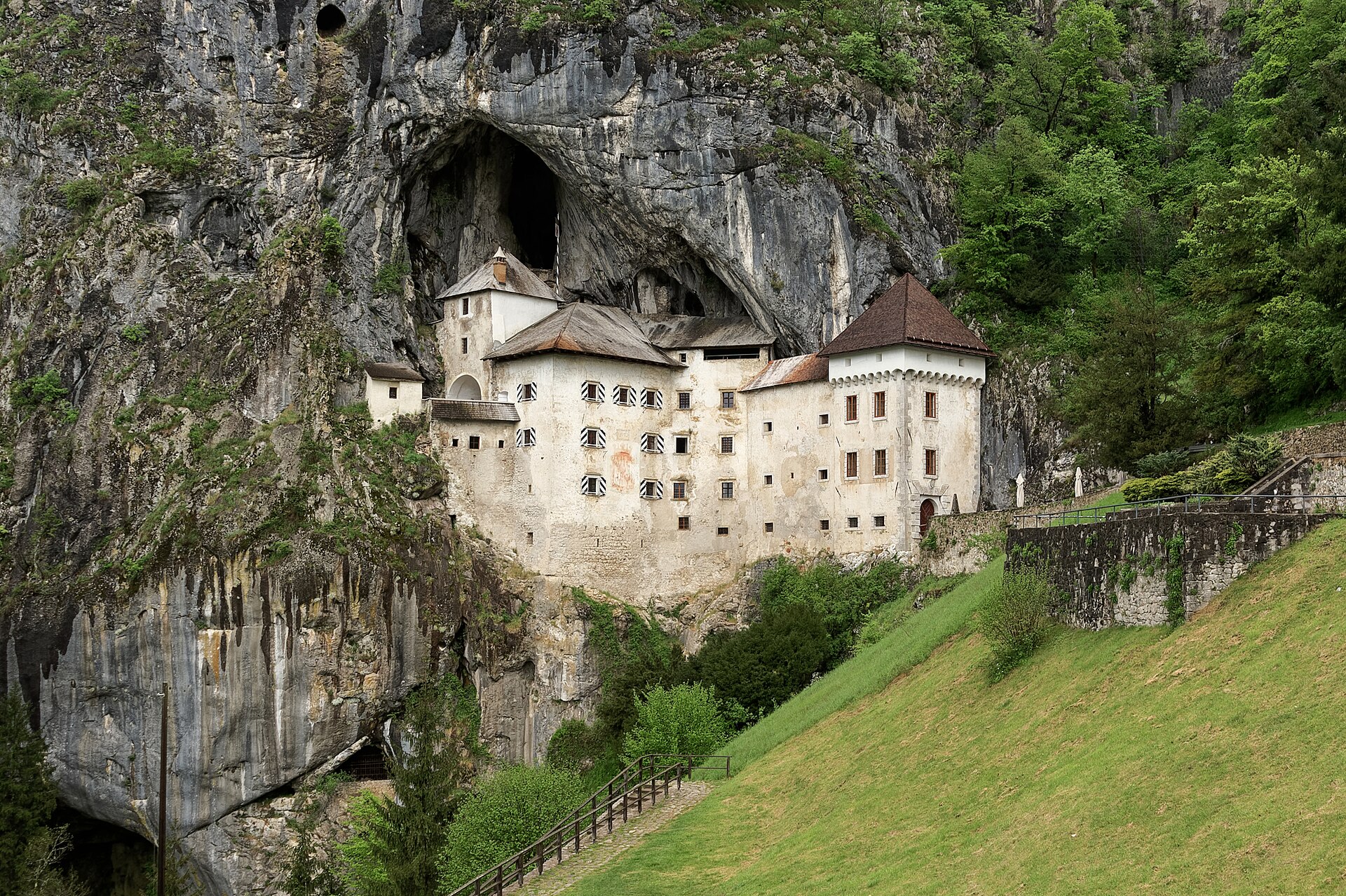
Postojna is a 24-kilometre cave system with an underground train, a concert hall and a resident salamander that lives for a century. Ten minutes away, meanwhile, Predjama Castle is built into the mouth of a cave halfway up a 123-metre cliff. Together they make the strangest and best day out in Slovenia, especially with children.
Do not miss: the train into the cave, the Predjama castle at opening time and the view of it from the road below. Our guide to the best castles in Slovenia has more.
Stay: most people visit from Ljubljana, 45 minutes away. Otherwise, stay on the coast in Piran and visit on the way.
Getting there: 45 minutes by car from Ljubljana or 1 hour from Piran. Then, combine both in one day with a joint ticket.
8. Piran
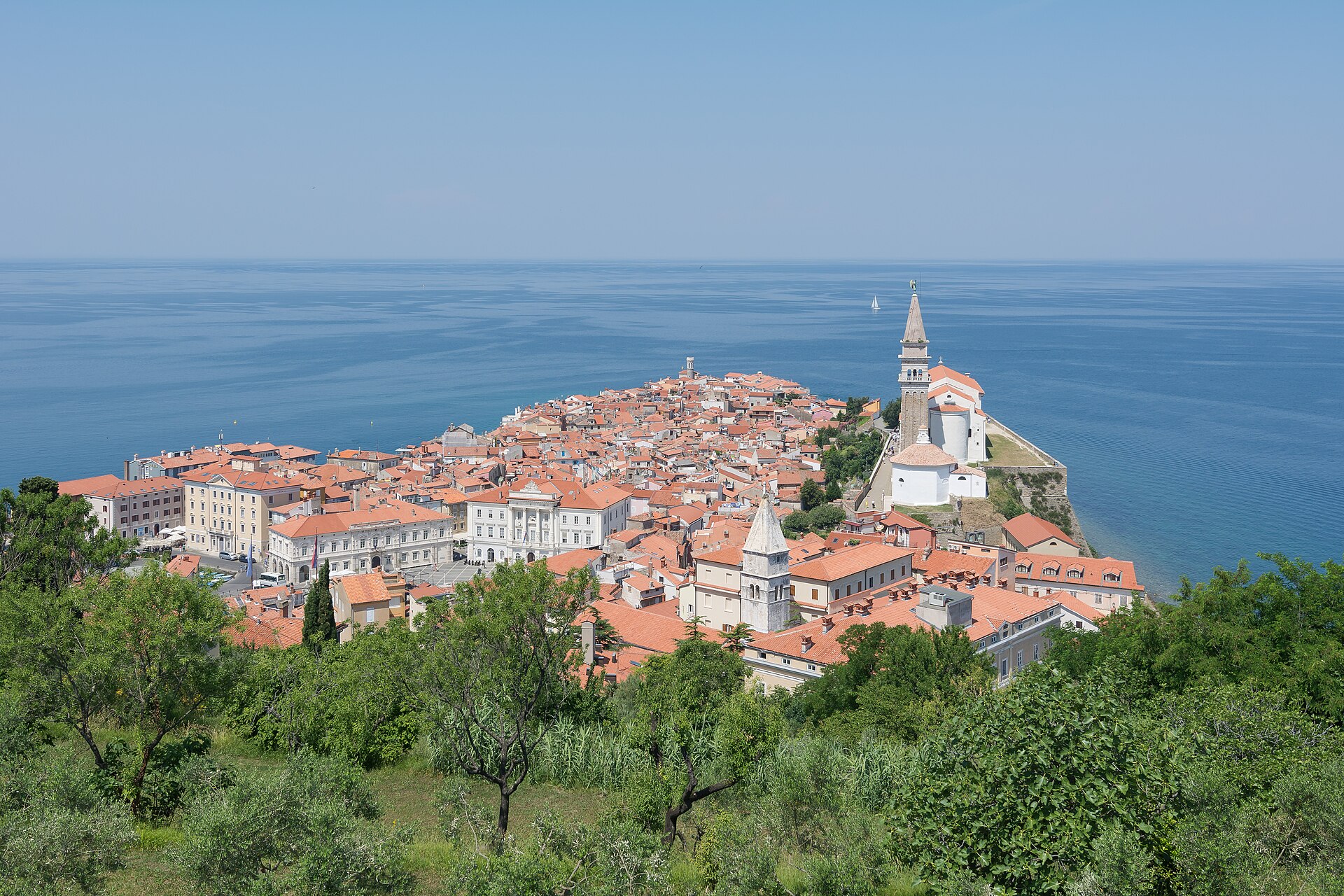
Piran is Slovenia’s 46 kilometres of coast made into a single town: a Venetian peninsula of red roofs, a marble square, a campanile copied from St Mark’s and a stone shoreline you can swim from. It is tiny, car-free and, above all, the best place in the country for seafood. It also links directly to Istria across the border.
Do not miss: the view from the campanile, the walls above the town at sunset, a swim off the rocks below the lighthouse and dinner at Pri Mari.
Stay: Hotel Piran, on the seafront with a rooftop bar, is the comfortable choice. Alternatively, Art Hotel Tartini sits on the main square.
Getting there: 1 hour 30 by car from Ljubljana. Park outside the walls, because the old town is pedestrian only.
The best places to visit in Croatia and Slovenia: northern Croatia and Istria
Northern Croatia is the part most visitors skip on their way to the coast, and that is a mistake. Zagreb is a proper Central European capital, Plitvice is the most beautiful national park in Europe and Istria is Tuscany with a coastline.
9. Zagreb
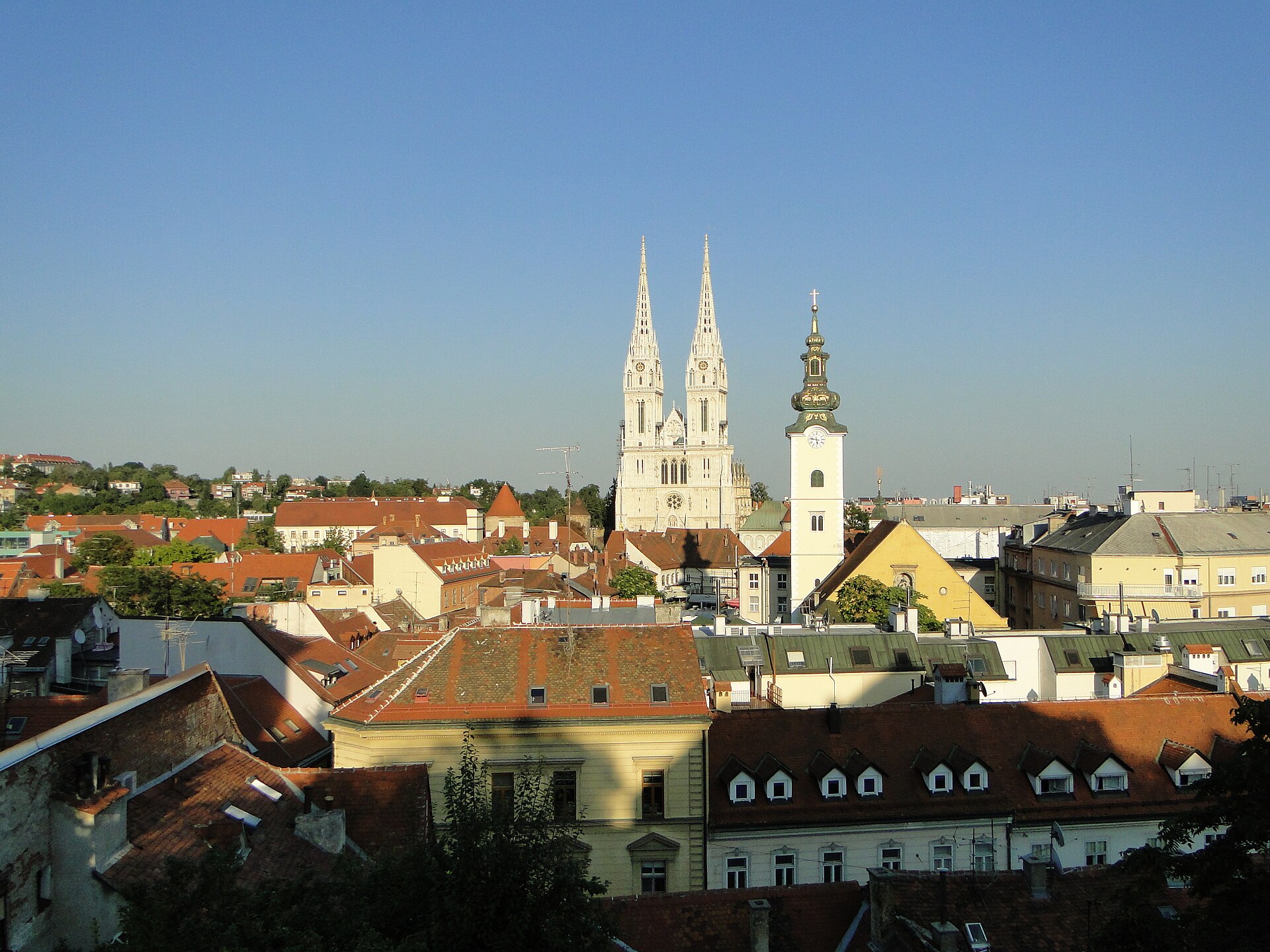
Zagreb is Croatia’s capital, and it looks nothing like the coast: Austro-Hungarian boulevards, a medieval upper town, more museums per head than almost any city in Europe and a café culture that fills the streets by 10am. It is also, as it happens, the cheapest big city on this list. We made the case in why you should visit Zagreb.
Do not miss: the Upper Town and the view from the Strossmayer promenade, the Dolac market, the Museum of Broken Relationships and a coffee on Tkalčićeva street.
Stay: Esplanade Zagreb, built in 1925 for Orient Express passengers, is the grand address. Alternatively, Hotel Jägerhorn, the oldest hotel in the city, is the small and central choice.
Getting there: Zagreb airport is 30 minutes from the centre. Ljubljana is 1 hour 30 by car, while Plitvice is 2 hours.
10. Plitvice Lakes National Park
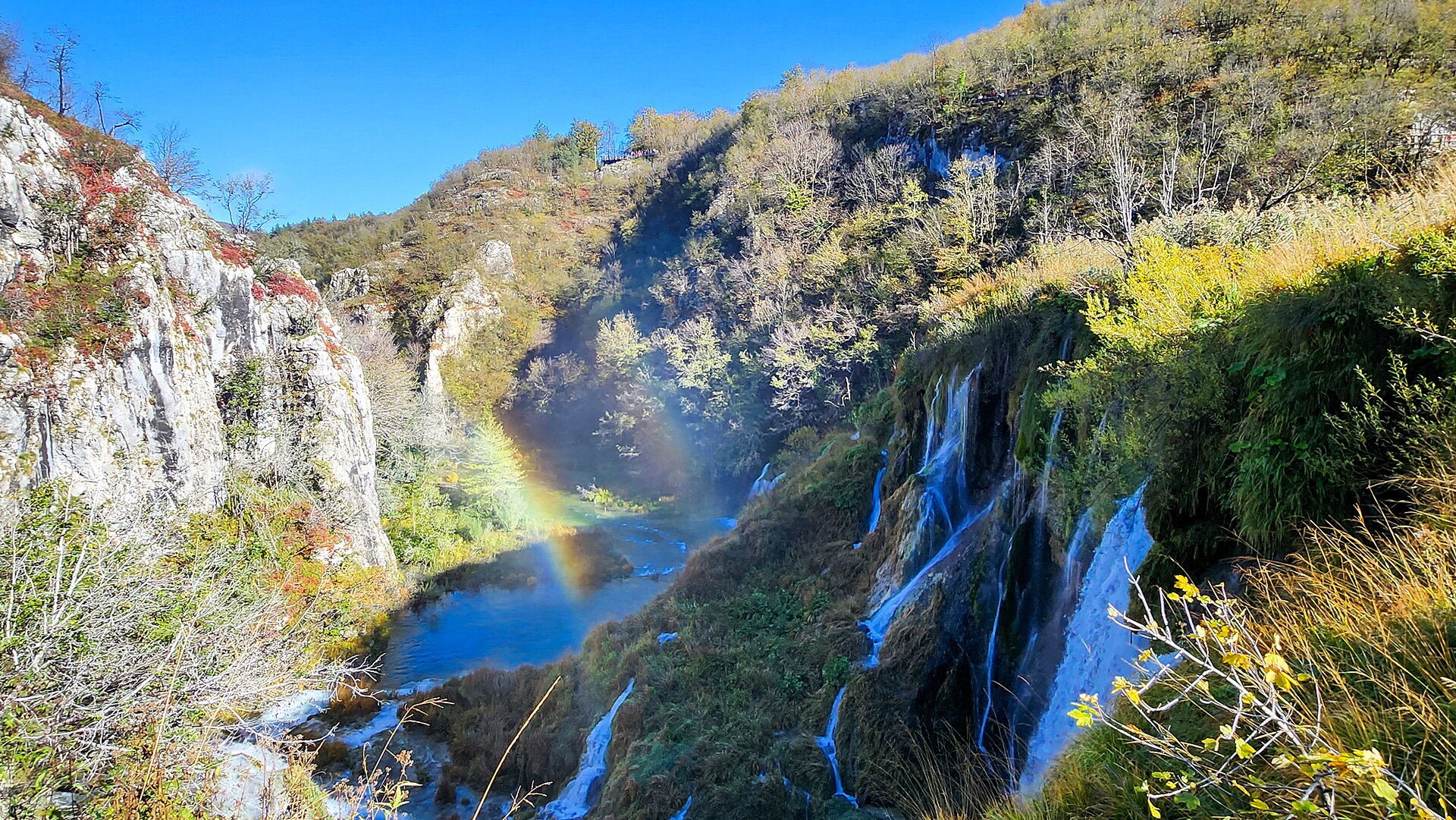
Plitvice is 16 terraced lakes linked by waterfalls and crossed by wooden walkways, with water so clear and so turquoise that it looks artificial. It is a UNESCO site and the most visited place in inland Croatia, and indeed it deserves it. Go at opening time, or in October, when the beech forest turns and the crowds thin.
Do not miss: the lower lakes from the walkway at opening time, the Veliki Slap waterfall, and the boat across Kozjak lake to the upper lakes. Our 10 things you must do in Croatia has more.
Stay: Hotel Jezero, inside the park, is the practical choice for an early start. Otherwise, Fenomen Plitvice, 10 minutes away, is the stylish alternative.
Getting there: 2 hours by car from Zagreb or 2 hours 30 from Zadar. Buses run from both, and a car is not essential here.
11. Rovinj
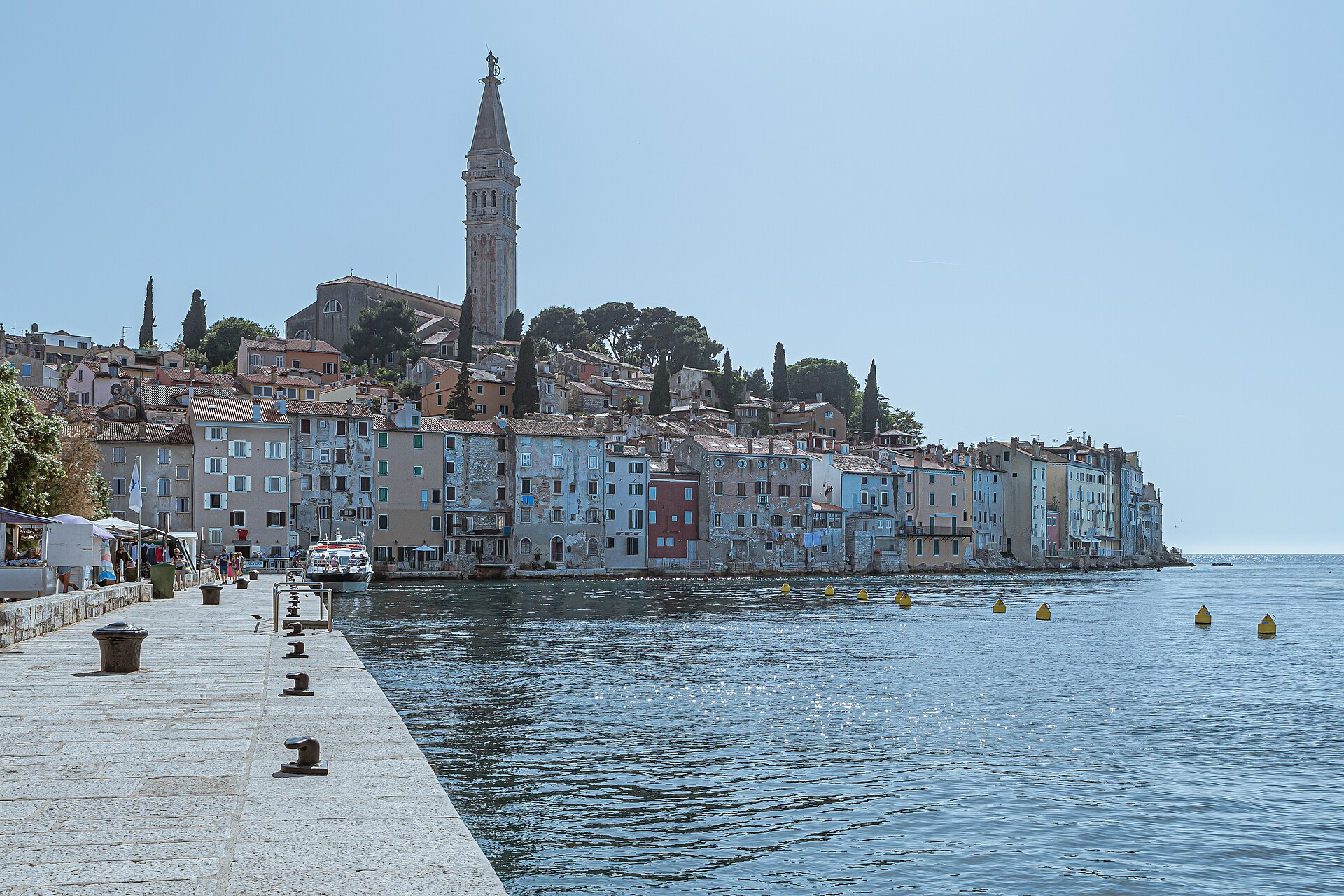
Rovinj is a Venetian fishing town on a peninsula in Istria, with pastel houses pressed shoulder to shoulder, a campanile copied from St Mark’s and a rocky shoreline you can swim from straight off the old town. It is the most beautiful town on the Adriatic, and far calmer than Dubrovnik. The truffles and olive oil from the hills behind are, in addition, a bonus.
Do not miss: the church of St Euphemia at the top for the view, a swim from the rocks below the old town, dinner at Monte and a boat to the Lim fjord.
Stay: Grand Park Hotel Rovinj, across the harbour with views of the old town, is the best hotel in Istria. Alternatively, Hotel Adriatic, on the main square, is the historic boutique choice.
Getting there: 40 minutes by car from Pula airport or 1 hour 30 from Piran. In fact, Istria works as its own four-day loop.
12. Motovun and inland Istria
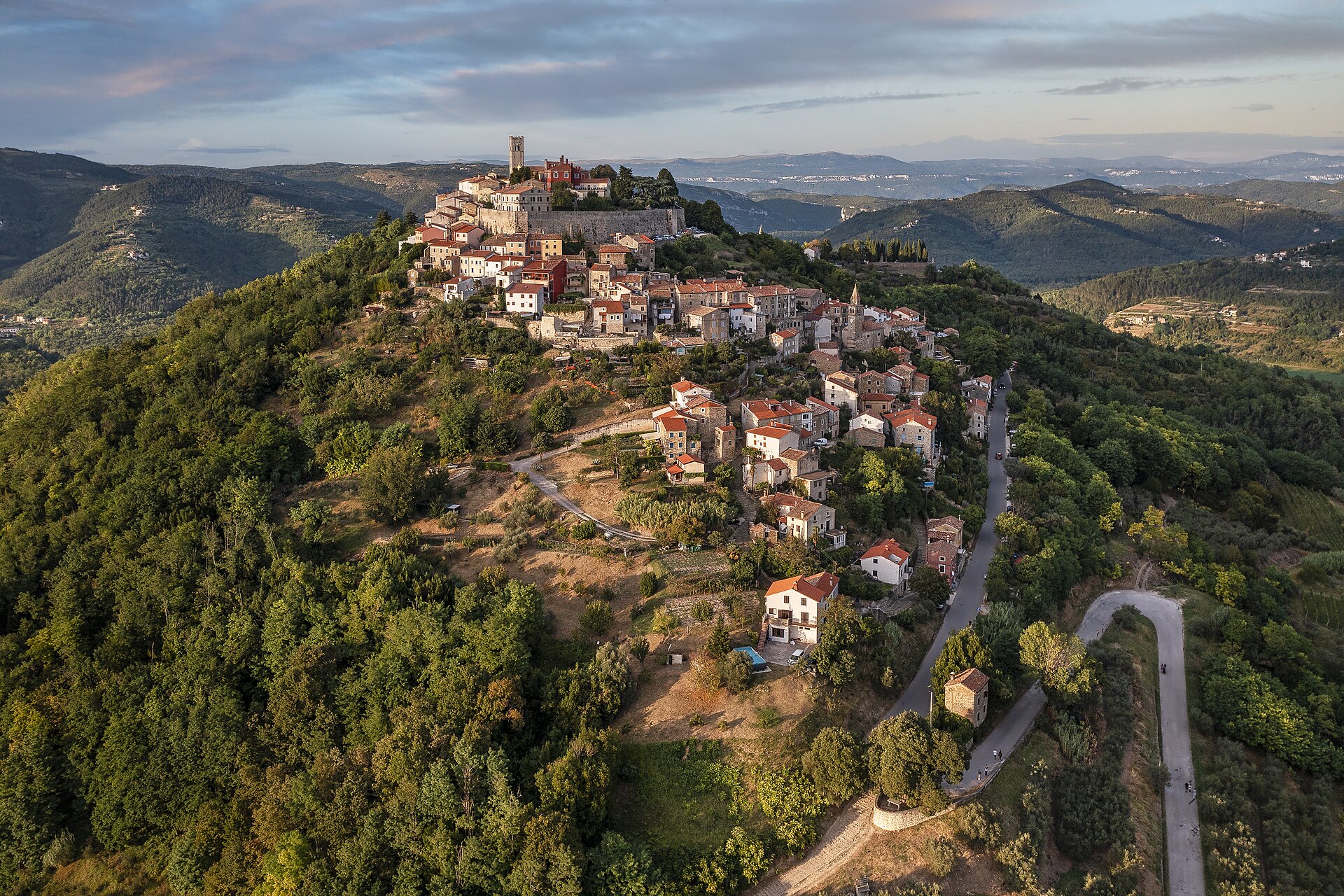
Motovun is a walled hilltop town above the Mirna valley, with the best truffle forests in Europe at its feet and vineyards on every slope. In fact, the whole of inland Istria is like this: stone villages, olive groves and konobas serving pasta with shaved truffles. In short, it is Tuscany twenty years ago, at a third of the price.
Do not miss: the walls of Motovun at sunset, a truffle hunt with a local hunter and his dogs, the painted church at Beram and the tiny towns of Grožnjan and Oprtalj.
Stay: Roxanich Winery Hotel, built into the hill below Motovun, is the design choice. Otherwise, Villa Borgo, inside the walls, is small and charming.
Getting there: 30 minutes by car from Rovinj or Poreč. A car is essential inland.
The best places to visit in Croatia and Slovenia: Dalmatia
Dalmatia is the Croatia of the brochures: the walled cities, the islands and the clearest water in the Mediterranean. The coast road from Zadar to Dubrovnik is one of the great drives, so take it slowly.
13. Zadar
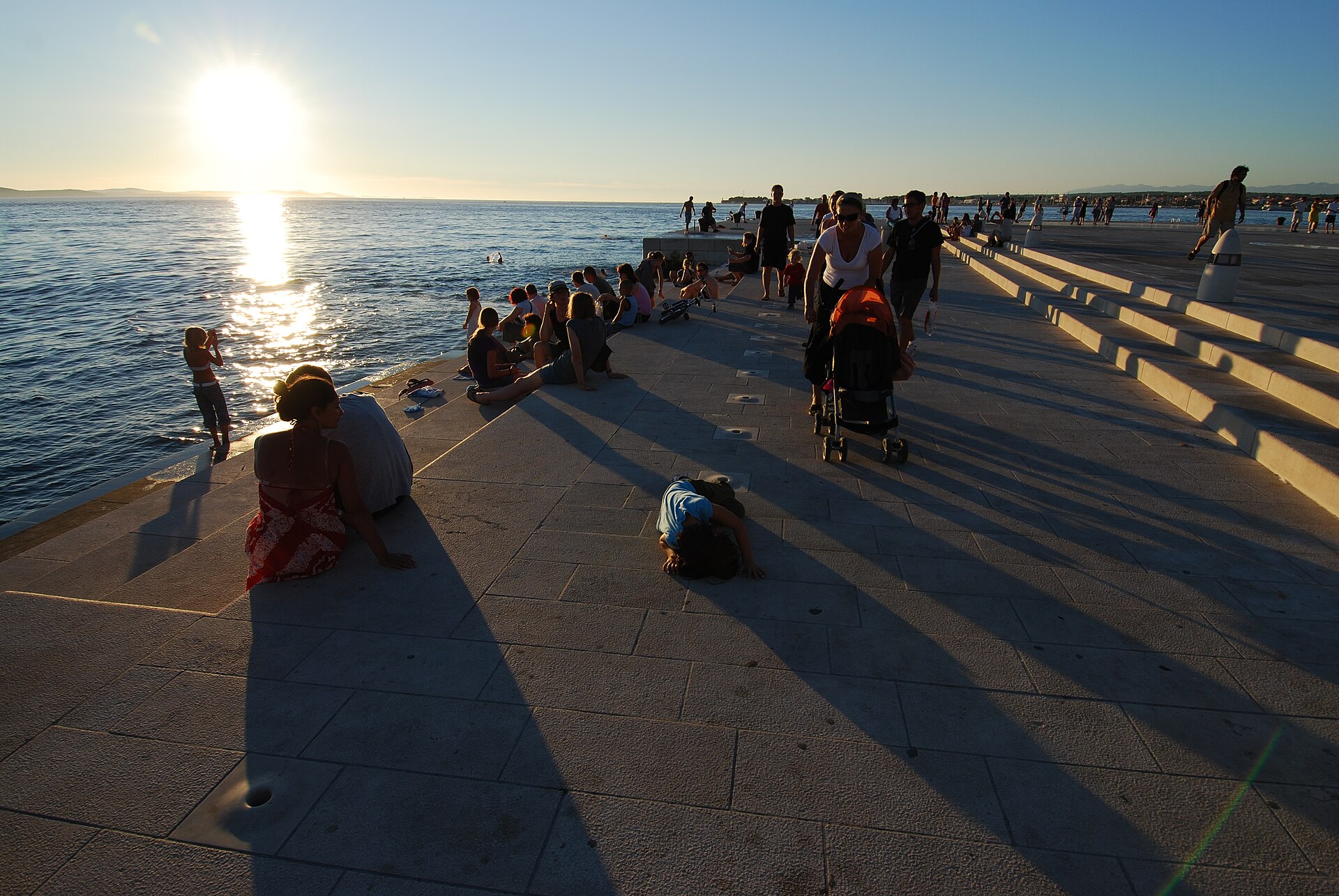
Zadar is a Roman and Venetian old town on a peninsula, with a sea organ on the waterfront that plays music from the waves and a sunset that Alfred Hitchcock called the best in the world. It is less visited than Split or Dubrovnik and, equally, better value than both. It is also the gateway to the Kornati islands and Paklenica.
Do not miss: the Sea Organ and the Greeting to the Sun at sunset, the Roman forum, the church of St Donatus and a boat day to the Kornati archipelago.
Stay: Hotel Bastion, on the old town walls, is the one inside the city. Alternatively, Falkensteiner Punta Skala, 20 minutes away, is the resort option.
Getting there: Zadar airport is 20 minutes from the old town. Plitvice is 2 hours 30 by car, while Split is 1 hour 30.
14. Krka National Park
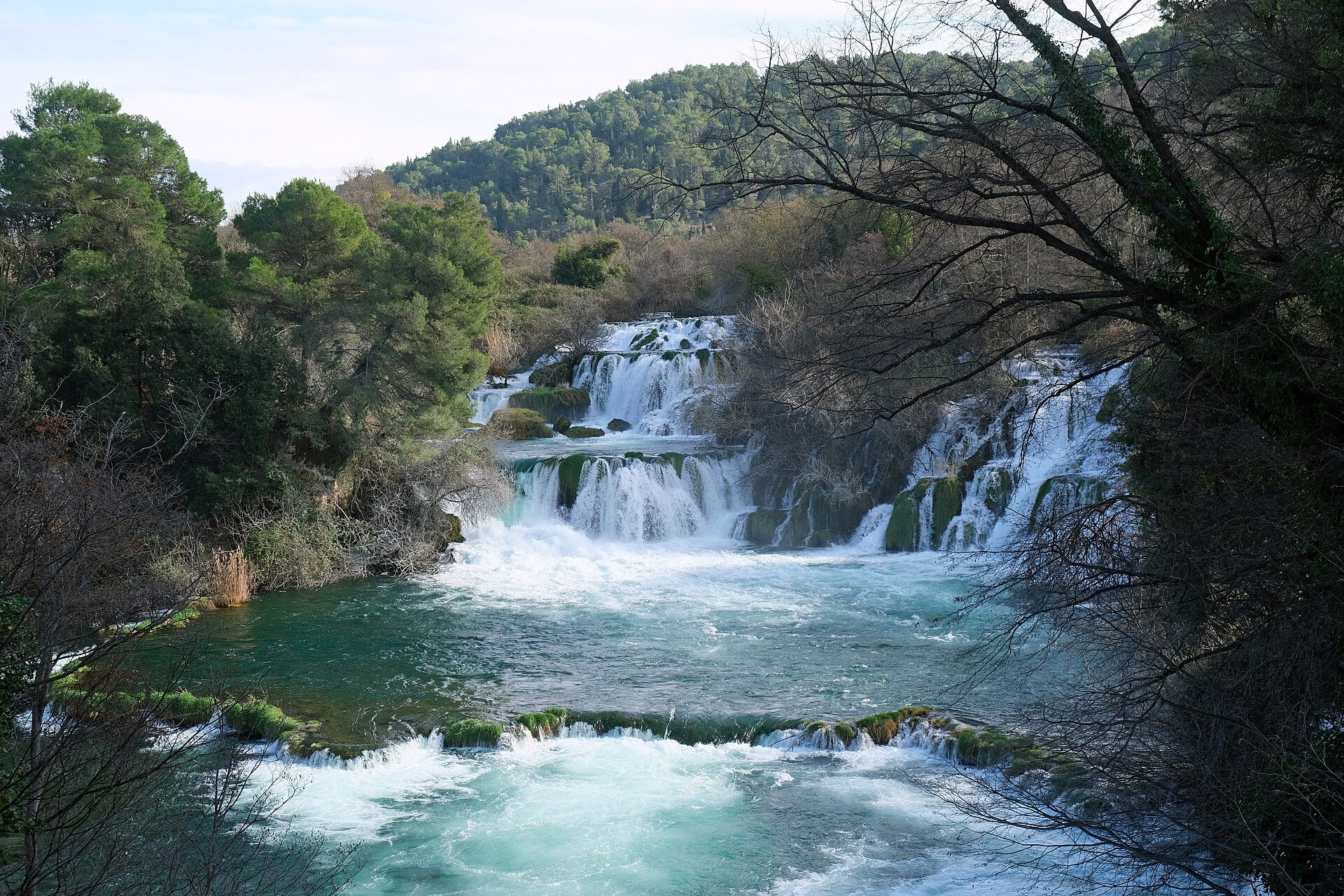
Krka is a river canyon with seven travertine waterfalls, the largest of which, Skradinski Buk, spills over 17 steps into a wide green pool. It is smaller and less crowded than Plitvice, and for years you could swim beneath the falls. Swimming is now banned; however, the walkways and the boat trips remain, and the monastery on the island of Visovac is a highlight.
Do not miss: Skradinski Buk from the walkways, the boat to Visovac island, and the Roški Slap falls further upstream, which almost nobody reaches.
Stay: Heritage Hotel Life Palace in Šibenik, 20 minutes away, is the best base. Šibenik itself, moreover, with its UNESCO cathedral, is one of the most underrated towns in Croatia.
Getting there: 20 minutes by car from Šibenik or 1 hour from Split. In summer, take the boat from Skradin into the park.
15. Split
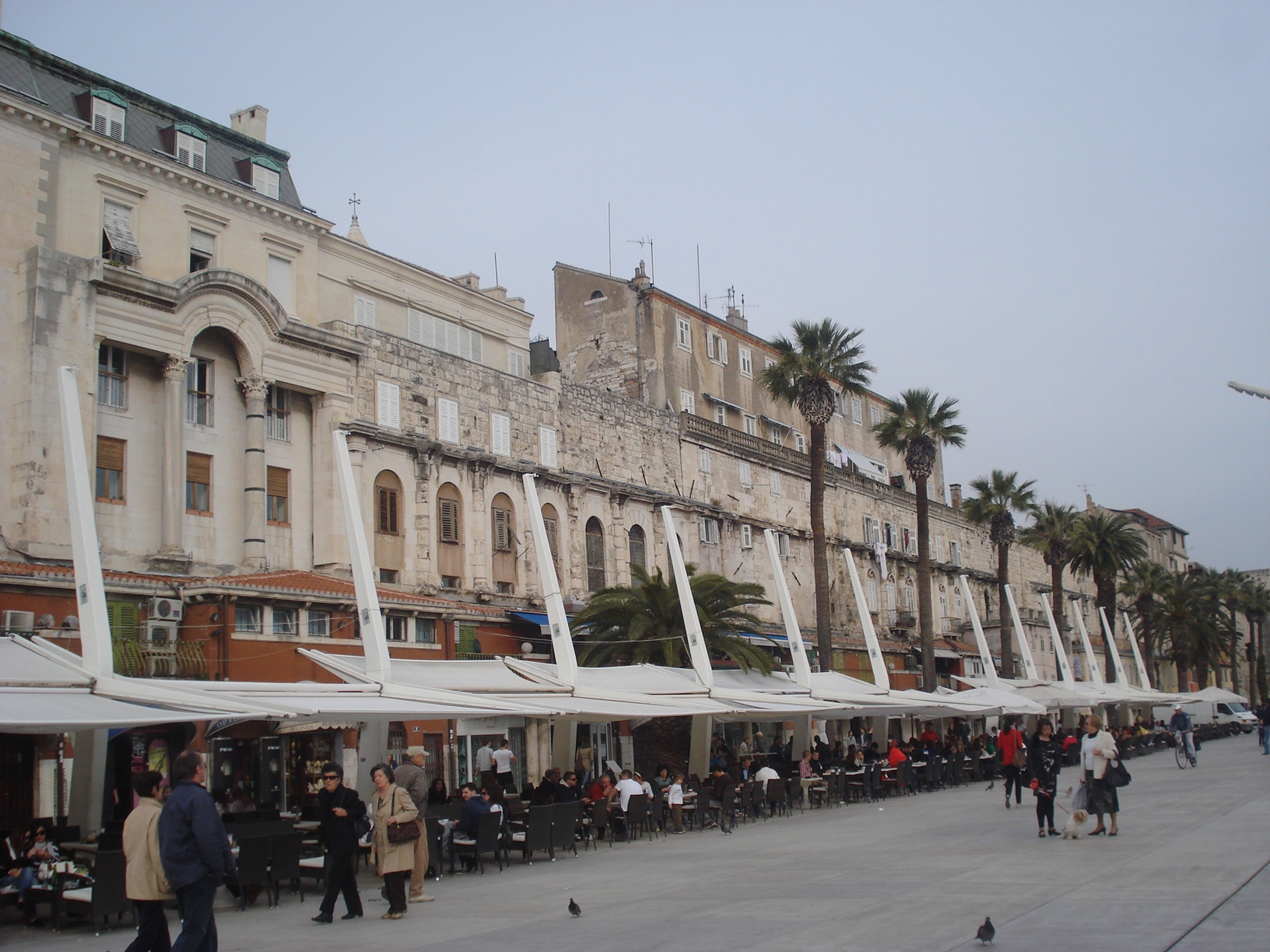
Split is a city built inside a Roman palace. Diocletian retired here in AD 305, and 1,700 years later people still live, eat and drink within his walls. The waterfront Riva is the best evening promenade in Croatia, while the ferry port behind it is the gateway to every island on this list. Give it two nights, then go to sea.
Do not miss: the Peristyle and the cathedral bell tower, the cellars of the palace, the climb up Marjan hill for the view and a swim at Kašjuni beach.
Stay: Hotel Park, on Bačvice bay with a pool and a garden, is the grand address. Alternatively, Heritage Hotel Antique Split is inside the palace walls.
Getting there: Split airport is 30 minutes from the centre. Zadar is 1 hour 30 by car, while Dubrovnik is 3 hours.
16. Hvar
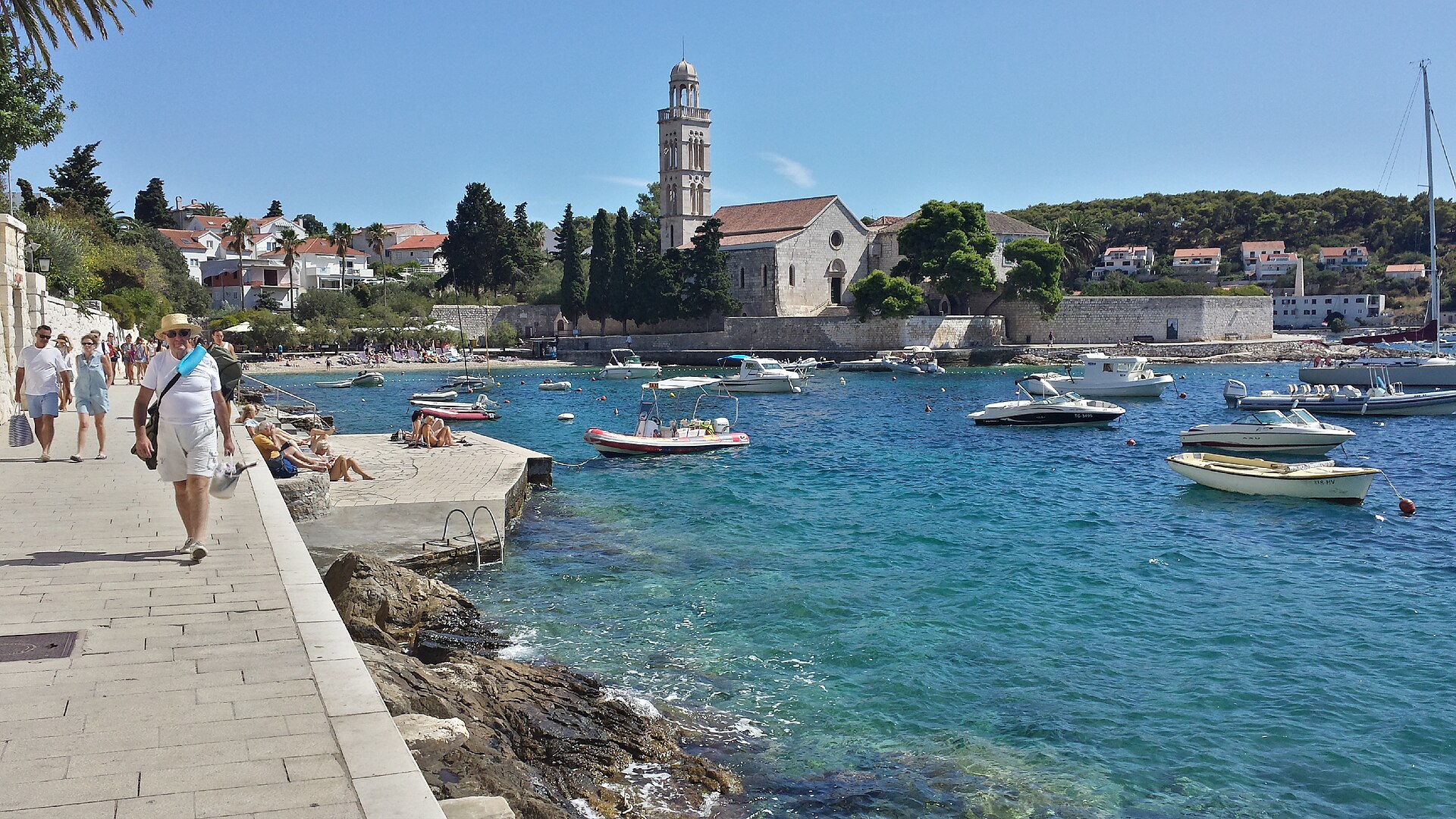
Hvar is the glamorous island, with a Venetian harbour town, lavender fields in the hills, the sunniest climate in Croatia and a string of islets, the Pakleni, that are the best swimming spots on the coast. During the day, it is yachts and beach clubs. In the evening, meanwhile, the old town square under the cathedral is one of the loveliest places in the Adriatic.
Do not miss: the Spanish fortress at sunset, a water taxi to the Pakleni islands, the lavender fields around Velo Grablje in June and the old town of Stari Grad on the far side of the island.
Stay: Palace Elisabeth, in a 13th-century palace on the main square, is the heritage choice. Otherwise, Maslina Resort, outside Stari Grad, is the design alternative with a spa.
Getting there: 1 hour by catamaran from Split to Hvar town. In summer, there are also boats from Dubrovnik and Korčula.
17. Vis
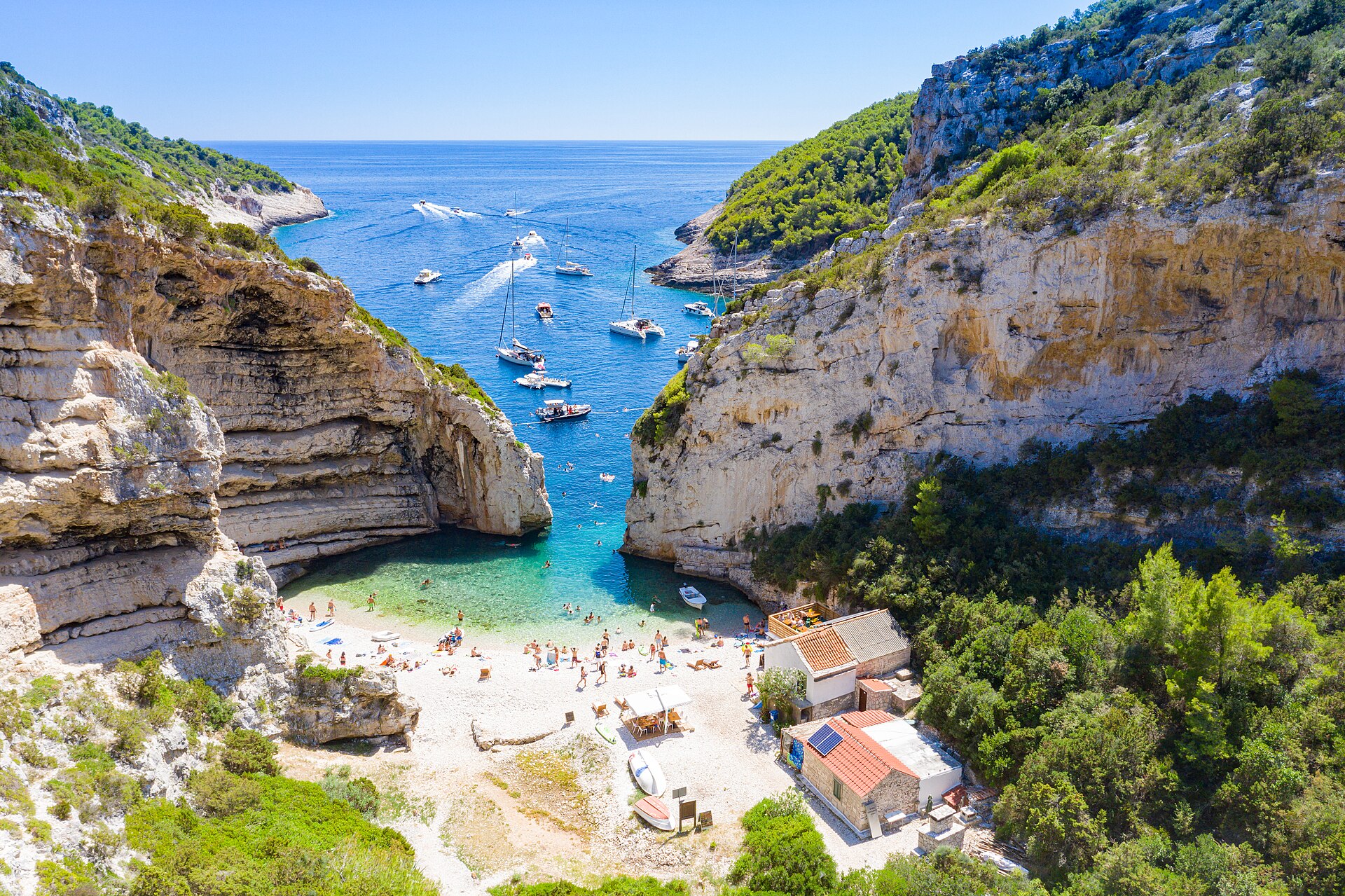
Vis is the furthest island from the mainland, and it was closed to foreigners as a military base until 1989. As a result, it has no big hotels, no mass tourism and the cleanest water in Croatia. The two towns, Vis and Komiža, are quiet fishing villages, and likewise the beaches are empty coves reached by boat. It is the Adriatic as it was fifty years ago.
Do not miss: the Blue Cave on nearby Biševo, Stiniva cove, which is the most beautiful beach in Croatia, Komiža at sunset and the island’s Plavac Mali wine.
Stay: Hotel San Giorgio, a small stone hotel in Vis town, is the one to book. Otherwise, rent a house in Komiža.
Getting there: 2 hours 20 by ferry from Split, or 1 hour 30 by catamaran. Then, hire a scooter on arrival.
18. Korčula
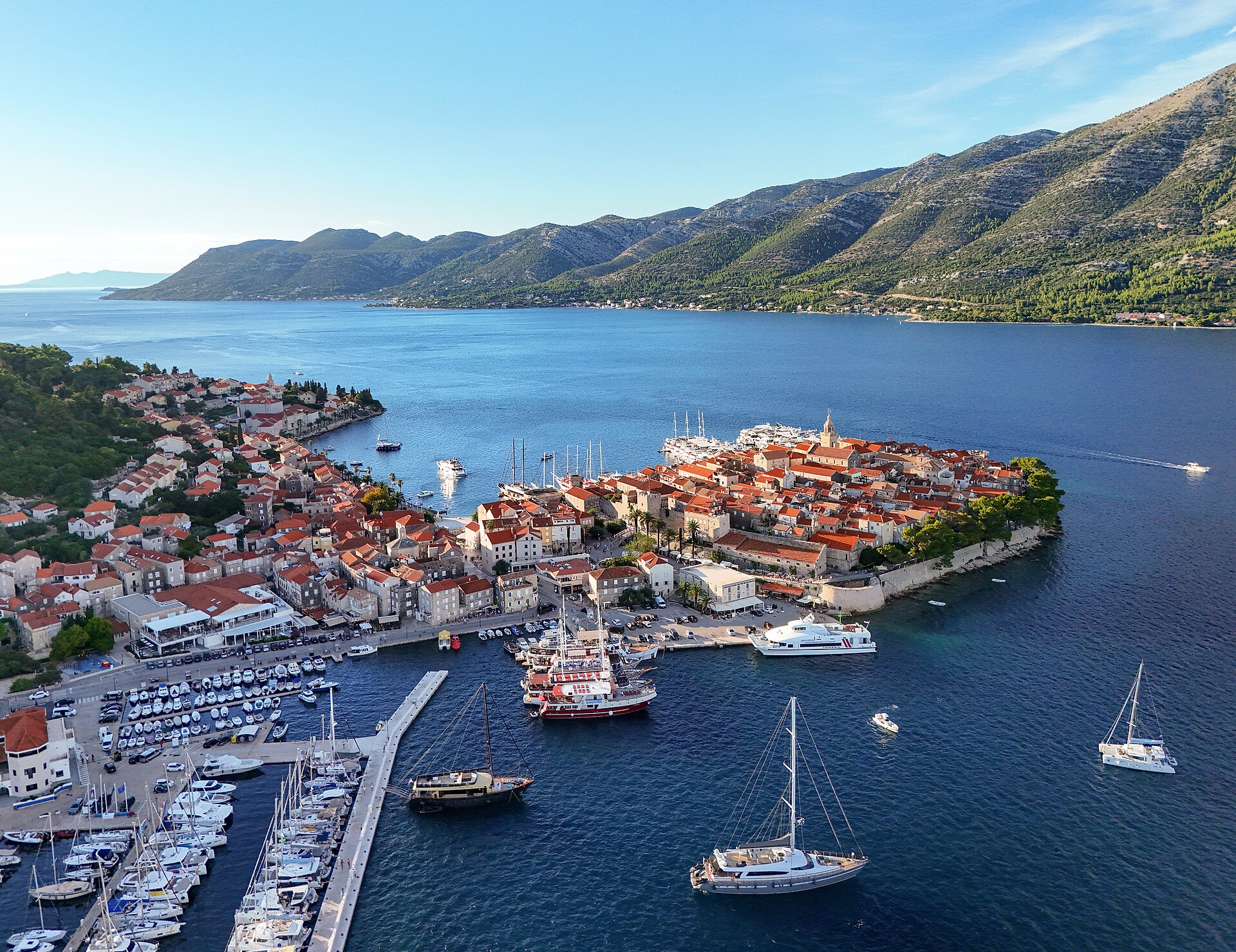
Korčula town is a miniature Dubrovnik on a peninsula, with a fishbone street plan designed to catch the sea breeze and block the winter wind, a cathedral and the house where Marco Polo is said to have been born. The island behind it is pine forest, vineyards and small coves. In short, it is the most charming island town in Croatia.
Do not miss: the old town walls at sunset, a Moreška sword dance performance, the beaches at Lumbarda and a tasting of Pošip and Grk, the island’s white wines.
Stay: Lešić Dimitri Palace, five apartments in an 18th-century bishop’s palace, is the best address on the island. Alternatively, Aminess Korčula Heritage Hotel is on the old town walls.
Getting there: 2 hours by catamaran from Split or Dubrovnik. In summer, boats also link it with Hvar and Mljet.
19. Mljet National Park
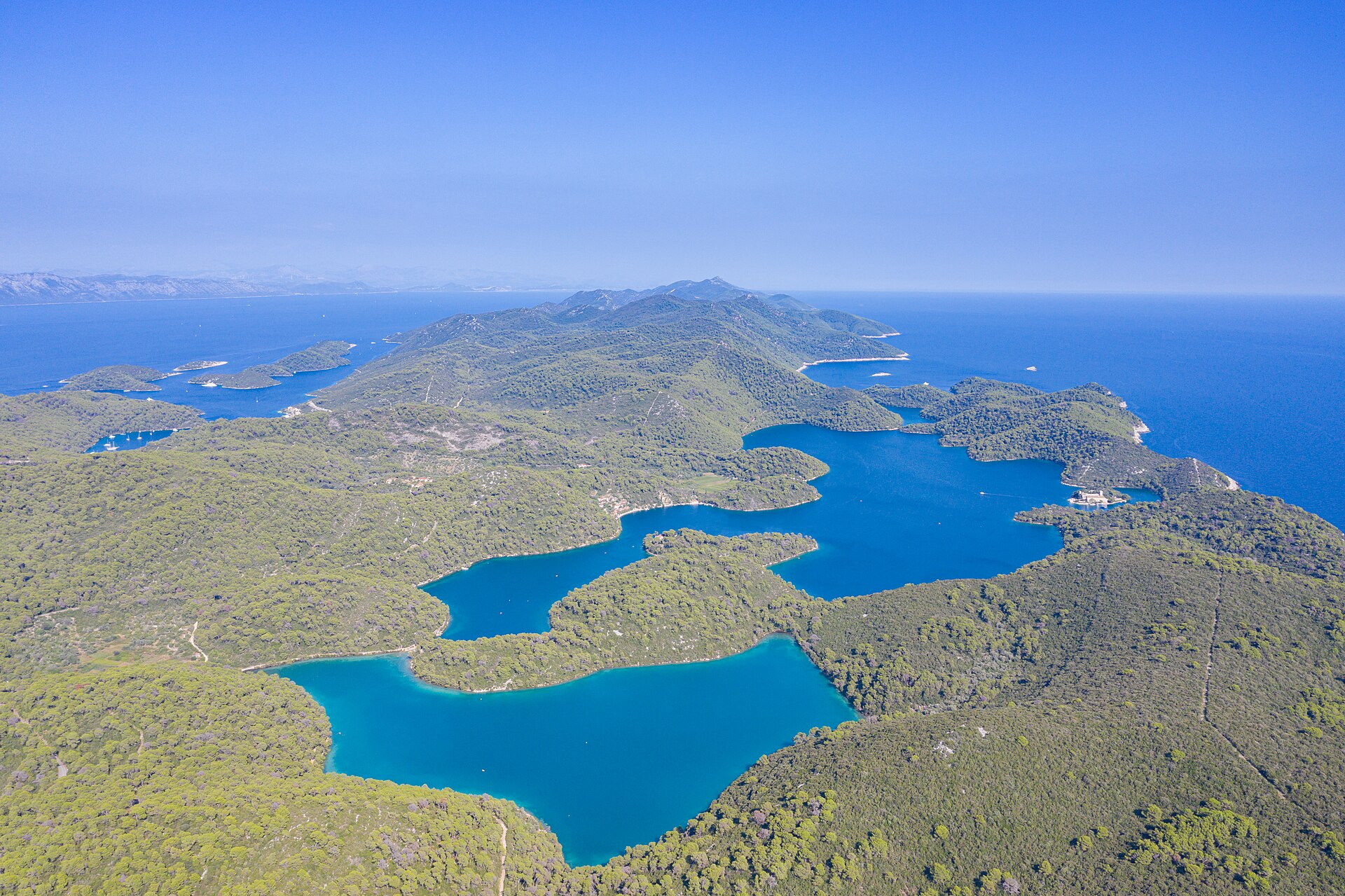
Mljet is the greenest island in the Adriatic, and the western third is a national park of two saltwater lakes inside a pine forest, with a 12th-century monastery on an island in the larger lake. There are no cars in the park, only bikes and kayaks, for example. It is the quietest place on this list, and the best day trip from Dubrovnik.
Do not miss: cycling around the Great Lake, the boat to the monastery island, a swim in the Small Lake and the Odysseus cave on the south coast.
Stay: Hotel Odisej, in Pomena at the park entrance, is the only hotel and perfectly placed. Otherwise, visit for the day from Dubrovnik or Korčula.
Getting there: 1 hour 30 by catamaran from Dubrovnik to Pomena, or 1 hour from Korčula.
20. Dubrovnik
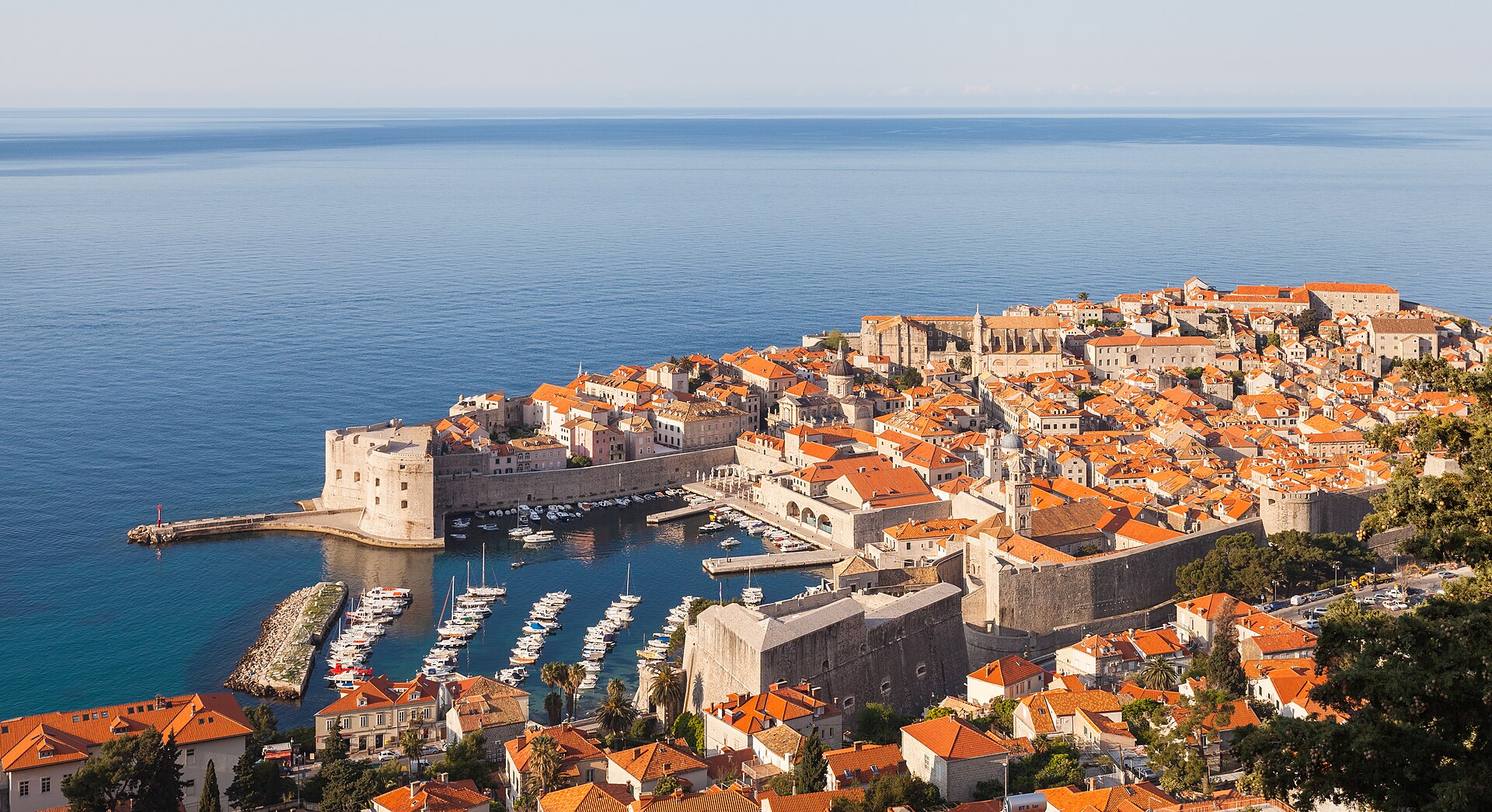
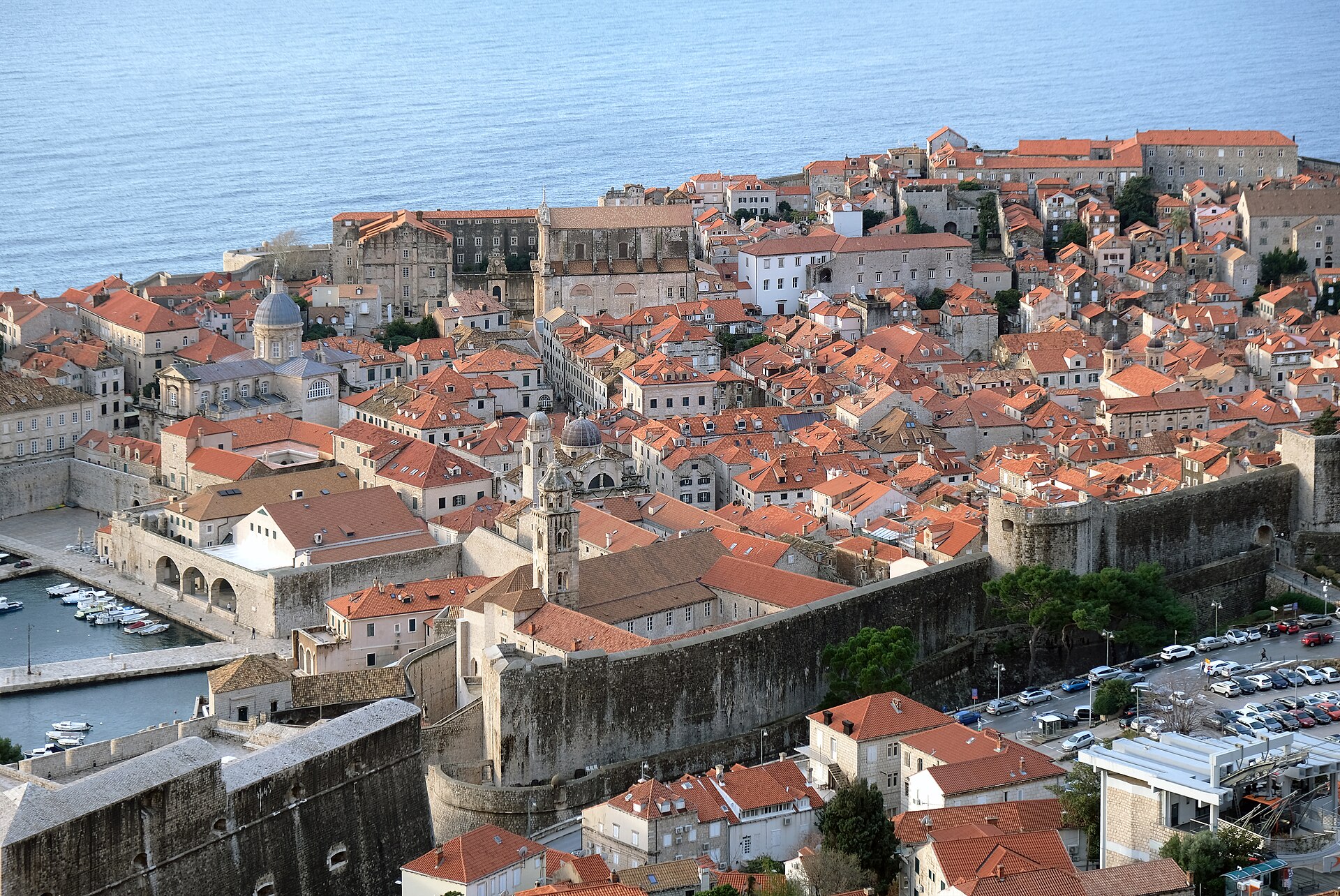
Dubrovnik is the walled city at the end of the road, a limestone peninsula of terracotta roofs ringed by 2 kilometres of medieval walls, with the Adriatic on three sides. It is crowded, expensive and still worth it, especially at dawn or in the evening, once the cruise passengers have gone. Then, it is the most beautiful city in the Adriatic.
Do not miss: the city walls at opening time, the cable car up Mount Srđ at sunset, a swim from the Buža bar on the rocks and a kayak around the walls to Lokrum island.
Stay: Villa Dubrovnik, on the cliffs east of the old town with views back to the walls, is the one to book. Alternatively, Hotel Excelsior, next door, is the grand classic.
Getting there: Dubrovnik airport is 30 minutes from the old town. Split is 3 hours by car, while Montenegro’s Bay of Kotor is 2 hours.
How to plan a trip around the best places to visit in Croatia and Slovenia
You can see most of this list in two weeks, because the two countries are small and the route runs in a line. Instead of rushing, give each base two or three nights. These three routes cover the best of it.
| Route | Days | Places | Base | Fly into |
|---|---|---|---|---|
| Slovenia loop | 7 | Ljubljana, Bled, Bohinj, Vintgar, Soča Valley, Postojna, Piran | Ljubljana, Bled, Bovec, Piran | Ljubljana |
| Croatia coast | 10 | Zagreb, Plitvice, Zadar, Krka, Split, Hvar, Dubrovnik | Zagreb, Zadar, Split, Hvar, Dubrovnik | Zagreb, out of Dubrovnik |
| The full two-country trip | 16 | All 20, Istria included | Ljubljana, Bled, Rovinj, Split, Hvar, Dubrovnik | Ljubljana, out of Dubrovnik |
When to go
May, June and September are the months to aim for. The sea is warm enough to swim from June, the islands are open and the crowds of July and August have not arrived or have gone home. Slovenia’s mountains, on the other hand, are best from June to September, because the Vršič Pass and the high trails close in winter. October is beautiful at Bled and Plitvice, when the forests turn.
Getting around
A car is the way to do this trip, because the distances are short and the roads are excellent. Drop it in Split, however, and do the islands by Jadrolinija and Krilo catamarans, which are fast, cheap and frequent in summer. Zagreb, Ljubljana, Split and Dubrovnik all have good bus links if you would rather not drive.
Budget
Slovenia and inland Croatia are good value, while Hvar and Dubrovnik in August are not. For example, expect €120 to €200 a night for a good hotel in Ljubljana or Zagreb, and €400 and up for the best hotels in Dubrovnik and Hvar in summer. Our guide to travel costs in Europe has the full breakdown for both countries.
What to eat
Eat regionally, because the food changes every 100 kilometres: truffles and pasta in Istria, grilled fish and black risotto on the coast, peka slow-cooked under a bell on the islands, and štruklji and Bled cream cake in Slovenia. Above all, drink the local wine, since both countries make far better wine than they export.
Frequently asked questions about the best places to visit in Croatia and Slovenia
What are the best places to visit in Croatia and Slovenia on a first trip?
Ljubljana, Lake Bled, Plitvice, Split, Hvar and Dubrovnik. In other words, one capital, one lake, one national park, one city and two islands, which fits comfortably into ten days.
Is it easy to combine the best places to visit in Croatia and Slovenia in one trip?
Yes, and it is the best way to do it. Ljubljana to Zagreb is 90 minutes by car, and Piran to Rovinj is the same. Both countries are in the EU and the Schengen area, so there is no border check between them.
How many days do you need for the best places to visit in Croatia and Slovenia?
In general, a week for one country and two weeks for both. Slovenia is small enough for a week, while Croatia’s coast needs ten days on its own. Trying to do everything in a week, however, means spending it in the car.
When is the best time to visit Croatia and Slovenia?
In short, late May to June and September. The coast is at its best then, and Slovenia’s mountains are open. July and August, by contrast, are hot, crowded and expensive on the islands.
Can you visit the best places in Croatia and Slovenia without a car?
Partly. Ljubljana, Bled, Zagreb, Plitvice, Split, Dubrovnik and all the islands work by bus and ferry. You will need a car for Bohinj, the Soča Valley, the Logar Valley, inland Istria and Krka.
Which of the best places to visit in Croatia and Slovenia are best for a honeymoon?
Hvar, Dubrovnik and Lake Bled, with Rovinj a close fourth. All of them have the hotels and, equally, the views that a honeymoon needs. For more ideas, see our most romantic regions in Europe.
Keep exploring Croatia, Slovenia and the Balkans
Once these places to visit in Croatia and Slovenia are ticked off, go deeper with our 8 towns you must visit in Slovenia, 10 things to do in Lake Bled and best of the Balkans, which carries on south into Montenegro and beyond.
For the wider region, there is our 25 most beautiful small towns in Europe and the Europe bucket list. For ferry timetables, check Jadrolinija before you fix your island dates.

Brooke is a Tasmanian-born writer and professional baker who started World of Wanderlust in 2013 and has since travelled to 86 countries. These days her guides focus on what she knows best: the bakeries, hotels and places worth crossing the world for.
